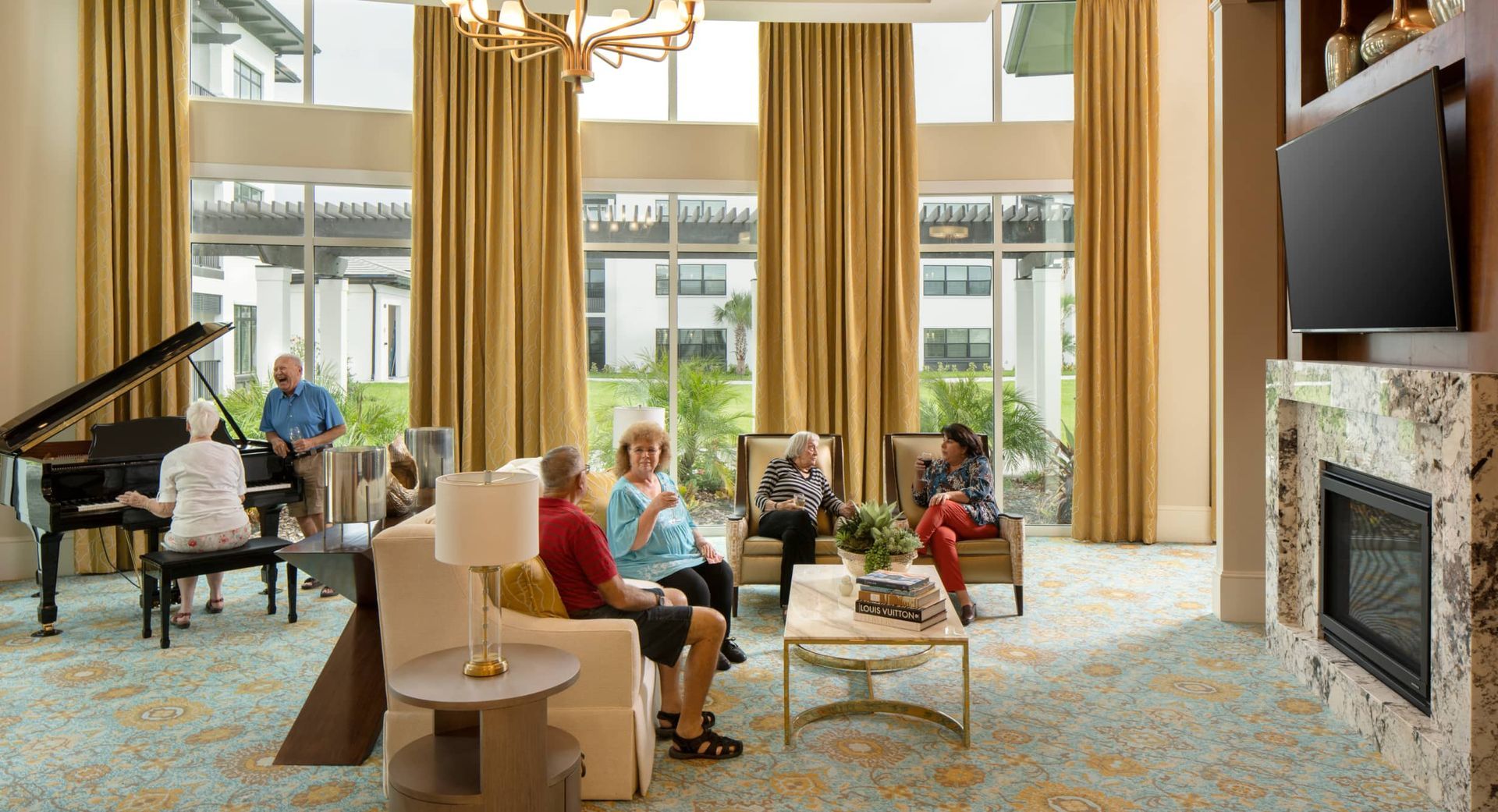

Senior living communities with active lifestyle programs and fitness centers
Fitness in senior living communities goes beyond equipment; it gives you tailored programs, trained instructors, and integrated wellness services that support strength, balance, and cardiovascular health. These communities design schedules and adaptive classes to match your abilities, provide accessible gyms and therapy spaces, and foster social engagement that motivates consistent activity—letting you maintain independence, manage chronic conditions, and enjoy a higher quality of life.
Key Takeaways:
- Promote physical health and mobility with tailored fitness classes focused on strength, balance, and cardiovascular well-being.
- Enhance social and mental wellness through group activities, classes, and events that build connections.
- Deliver personalized support via on-site trainers, adaptive equipment, and coordinated wellness plans for varying ability levels.
Understanding Senior Living Communities
Definition and Types
You evaluate options by care level and lifestyle: independent living for active residents, assisted living for help with daily tasks, memory care for dementia support, CCRCs offering a continuum, and skilled nursing for 24/7 medical needs. Ask about apartment layouts, private baths, on-site rehab, and staff credentials. This helps you narrow choices quickly.
- Independent Living — apartment-style, social programming, minimal care
- Assisted Living — personal care, medication management, help with ADLs
- Memory Care — secure units, dementia-trained staff, tailored activities
- CCRC (Continuing Care Retirement Community) — multiple care levels on one campus
- Skilled Nursing — 24/7 licensed nursing, rehab services, clinical care
| Independent Living | Focus on wellness, social activities, private apartments with basic services |
| Assisted Living | Personal care, medication oversight, scheduled support for daily tasks |
| Memory Care | Secure environment, dementia-focused programming, behavioral support |
| CCRC | Continuum model: independent to skilled nursing with one coordinated plan |
| Skilled Nursing | 24/7 clinical care, short-term rehab and long-term medical support |
Benefits of Senior Living Communities
You gain built-in social engagement, structured fitness, and coordinated care so you spend less time managing appointments. Many communities offer 3–5 structured activities daily, group exercise classes, and on-site therapy, which supports mobility and resilience. You also get meals, housekeeping, and transportation bundled into predictable fees that simplify budgeting.
Probe outcomes and specifics: ask for staffing ratios, therapy hours per week, and resident satisfaction scores. For example, adding twice-weekly balance classes in one mid-size community reduced falls by about 20%, illustrating how program design impacts health. Review sample care plans, check how often plans are updated, and compare contract types so the services and costs align with your long-term goals.
Importance of Active Lifestyle Programs
Active lifestyle programs deliver measurable improvements in mobility, independence, and health outcomes. If you follow CDC guidance—about 150 minutes/week of moderate aerobic activity plus two days of strength training—you lower your risk of chronic disease and fall-related injury. Targeted offerings like tai chi, resistance-band circuits, pool therapy and supervised cardio have been shown to reduce fall risk by roughly 20–30% in older adults and shorten recoveries when paired with personalized rehabilitation.
Physical Health Benefits
You build and preserve muscle mass, improve balance, and increase cardiovascular capacity through structured classes. Resistance training helps prevent sarcopenia, while balance drills and tai chi cut fall rates; aerobic sessions contribute to modest systolic blood pressure drops (about 5–10 mmHg) and better glycemic control for people with diabetes. Practical formats include twice-weekly strength circuits, seated cardio, and monitored walking groups that track progress and adjust intensity.
Mental and Emotional Well-being
You get mood enhancement and reduced isolation from regular group activity, with social interaction amplifying exercise benefits. Studies link ongoing physical activity to lower rates of depressive symptoms and slower cognitive decline, particularly when sessions combine physical, social, and cognitive elements like dance or coordinated group classes. Improved sleep and stress reduction further support daily functioning and resilience.
Programs that integrate dual-task training—such as dance with choreography, memory challenges during walks, or circuit classes with cognitive cues—tend to produce larger gains in executive function and attention than solo walking. You benefit most when communities monitor outcomes (mood scales, brief cognitive screens, participation rates) and iterate programming; 8–12 week multi-modal courses frequently show measurable improvements in mood and sustained engagement beyond the initial session series.
Fitness Centers in Senior Living Communities
Facilities and Equipment
You’ll typically find a dedicated gym space with accessible machines (recumbent bikes, ellipticals, 2–3 treadmills), multi-station strength equipment, free weights up to 25 lb, resistance bands, and space for mat work or chair exercises. Many centers include private assessment rooms and an aquatic therapy pool for low-impact training. Staffing often covers peak hours so you can get supervised sessions; capacity commonly ranges from 10–20 users at a time to maintain safety and social engagement.
Types of Fitness Programs Offered
You can join strength-training classes (45 minutes, twice weekly), balance and fall-prevention sessions (30–40 minutes), aquatic exercises, gentle yoga or chair Pilates, and moderate cardio groups like walking clubs; class sizes are often capped at 8–12 to ensure attention. Certified instructors (ACE, NASM, or similar) usually adapt programs to common conditions such as arthritis or post-surgical rehab, and evidence like Tai Chi studies shows roughly 20–30% lower fall risk when practiced regularly.
- Small-group classes allow personalized progress checks and mobility screening before participation.
- One-on-one training sessions are typically 30–60 minutes with individualized plans and periodic reassessments.
- Any membership tier usually includes scheduled classes and basic equipment access; premium tiers add personal training or physical therapy integration.
| Cardio | Treadmills, recumbent bikes, ellipticals, rowers for steady-state and interval work |
| Strength | Multi-station machines, free weights, resistance bands, hydraulic equipment for graded loading |
| Balance & Flexibility | Balance boards, stability balls, mats, chair-based stretching and Tai Chi |
| Aquatic | Warm therapy pool, lap lanes, water-aerobics classes for low-impact conditioning |
| Wellness Services | Fitness assessments, fall-risk screening, on-site PT or wellness consultations |
Delving deeper into program structure, you’ll see weekly schedules that balance strength, balance, cardio, and flexibility: for example, strength on Monday/Thursday (45 minutes), balance on Tuesday (30 minutes), aquatic class on Wednesday (40 minutes), and a weekend walking group. Many communities use baseline functional tests (gait speed, sit-to-stand) to track improvements monthly, and some integrate wearable data or electronic records so you can monitor progress and goals with staff support.
- Class schedules often include morning and afternoon options to fit varied routines and energy levels.
- Progress tracking typically uses simple functional measures every 4–8 weeks for individualized adjustments.
- Any program enrollment frequently begins with a brief baseline assessment and physician clearance when needed.
| Strength Training | 45-minute sessions, 2× weekly, 6–12 participants, progressive resistance |
| Balance & Fall Prevention | 30–40 minutes, weekly or biweekly, integrates Tai Chi and functional tasks |
| Aquatic Therapy | 30–45 minutes, low-impact, ideal for arthritis and joint recovery |
| Group Cardio | 30–50 minutes, walking clubs or low-impact aerobics, intensity adjusted |
| Mind-Body | Yoga/Pilates or chair-based formats, 30–60 minutes, focuses on flexibility and breathing |
Case Studies: Successful Senior Living Communities
- Community A — 128 units, 95% occupancy; 72% resident participation in wellness programs; 22 weekly group classes (yoga, tai chi, aqua aerobics); 1.2 staff-to-resident wellness ratio; 18% reduction in falls within 12 months; average 6-minute walk distance improved by 34 meters after a 6-month program.
- Community B — 160 units, 88% occupancy; on-site 1,800 sq ft fitness center with 6 treadmills, 4 ellipticals, 8 strength stations; 45% of residents use the gym weekly, averaging 2.6 sessions/month; partnership with a physical therapist delivering 120 billed visits/year; hospitalization rate down 12% year-over-year.
- Community C — 200 units, 92% occupancy; intergenerational fitness events increased community engagement by 27%; 30 weekly fitness and cognitive classes; monthly health screenings show average blood pressure drop of 6 mmHg among attendees.
- Community D — 90 units, 98% occupancy; implemented wearable step-tracking for 60 residents, average daily steps rose from 3,200 to 5,400 in 10 weeks; retention of active-program members at 81% after 18 months; program cost per resident $45/month with measurable wellness ROI.
Community A: Program Highlights
You’ll find structured variety at Community A: 22 weekly classes including low-impact strength, balance circuits, and aquatic therapy, with 72% resident engagement and a 1.2 wellness staff-to-resident ratio that lets you access small-group coaching; outcomes showed an 18% fall reduction and a 34-meter gain in 6-minute walk distance after six months, so your mobility improvements are tracked and validated.
Community B: Fitness Center Features
You can expect a dedicated 1,800 sq ft fitness center at Community B, equipped with 6 treadmills, 4 ellipticals, 8 strength stations, a functional training zone, and scheduled supervised hours; usage averages 2.6 sessions per month per active resident and on-site PT support delivers about 120 visits annually to tailor programs to your needs.
Additional details show smart integration: the gym includes wearable-compatible monitors, monthly fitness assessments, and small-group personal training that lifted weekly attendance by 35% after a remodel; you’ll benefit from targeted balance classes, progressive resistance plans, and documented reductions in hospitalization and medication adjustments tied to the fitness program.
Selecting the Right Community
You should weigh measurable indicators — occupancy, program uptake, staffing and cost. Target communities with ≥90% occupancy and ≥70% wellness participation (Community A had 95% occupancy and 72% participation). Also check staff-to-resident ratios, on-site healthcare partnerships, contract terms, and monthly fees. Prioritize communities offering transparent outcome data, trial stays, and resident testimonials so you can see how programming actually impacts daily life.
Evaluating Active Lifestyle Programs
When assessing programs, examine frequency, variety, and progression: aim for 8–12 weekly group classes (strength, balance, cardio), at least three levels per class, and measurable goals such as gait speed or 6‑minute walk improvements. Verify instructor credentials (ACSM, ACE, AFAA), involvement of physical therapists, and attendance/outcome tracking. Request sample schedules and typical class sizes — smaller groups (8–12) generally provide better supervision and results for seniors.
Assessing Fitness Center Amenities
Focus on equipment, accessibility, and recovery resources: expect 8–10 cardio machines, adjustable-resistance strength machines, free weights to 30–50 lb, a dedicated balance zone, and an accessible pool or hydrotherapy space (20–25 feet for lap walking). Check for slip-resistant flooring, seated machines, clear signage, and extended hours. Also confirm maintenance routines and emergency call systems within workout areas to ensure safe use.
Dive deeper into staffing and safety: verify on-site trainers certified in senior fitness and CPR, plus fall-prevention training and a practical ratio (for example one fitness professional per 40–60 residents). Inspect equipment refresh cycles, sanitization protocols, and digital integration like wearable tracking or EMR links for shared health goals. Tour during peak times to evaluate crowding, instructor attention, and how staff adapt equipment for mobility limitations.
Future Trends in Senior Living Communities
Building on proven models, you’ll see faster adoption of technology, program personalization, and community partnerships to boost participation and outcomes; Community A’s 128-unit campus with 95% occupancy and 72% wellness participation shows demand for scalable approaches. Expect more data-driven scheduling, on-demand classes, and partnerships with local health systems to reduce barriers and increase engagement across independent and assisted living settings.
Innovations in Active Aging Programs
You’ll encounter personalized programs that use wearable data, AI-driven coaching, and virtual reality balance training to tailor progression and reduce fall risk; pilot initiatives have reported 15–30% increases in adherence when on-demand and live hybrid classes are offered. Facilities are also integrating cognitive-motor dual-task sessions and group exergaming to combine social engagement with measurable functional gains.
Expanding Access to Fitness Resources
You can expand reach by rethinking space and delivery: many senior living fitness centers range from 1,200–2,500 sq ft and serve 20–40 users simultaneously, but mobile carts, pop-up studios, and in-unit streaming let you serve residents who can’t visit the gym. Partnering with local YMCAs, community centers, and telehealth vendors further broadens options without large capital outlays.
More specifically, you should implement equipment libraries, scheduled shuttle services, and loaner wearables linked to staff dashboards so residents get tailored workouts and clinicians receive remote monitoring data. Pilot partnerships where communities subsidize external gym memberships or run twice-daily transit to partner facilities have increased participation by measurable margins and lowered barriers for residents with mobility or transportation limits.
Summing up
Considering all points, when evaluating senior living communities with active lifestyle programs and fitness centers, you should prioritize tailored programming, qualified staff, accessible equipment, and opportunities for social engagement and cognitive stimulation; these elements help you maintain physical health, independence, and quality of life while ensuring your lifestyle preferences and safety needs are met.
FAQ
Q: What types of activities and fitness services do senior living communities with active lifestyle programs and fitness centers typically offer?
A: Many communities provide a mix of group classes (low-impact aerobics, tai chi, chair yoga, water aerobics), strength and resistance training, balance and gait programs, cardiovascular equipment with low-step access, guided walking clubs and outdoor activities, personal training tailored to older adults, and wellness workshops (nutrition, fall-prevention). On-site or on-call physical and occupational therapy is often available for rehabilitation or chronic-condition management. Programs are usually tiered by intensity and modified for limited mobility, using adaptive equipment, seated options, and staff guidance so residents of varying abilities can participate safely and progress.
Q: How should I evaluate the quality and safety of a community's active lifestyle program and fitness center?
A: Check staff qualifications (certified senior fitness instructors, personal trainers with geriatric experience, licensed therapists) and verify CPR/first-aid training. Ask about initial fitness assessments, individualized exercise plans, ongoing monitoring of progress and health status, and how medical information is shared with fitness staff. Inspect the facility for accessible layout, non-slip flooring, handrails, emergency call systems, well-maintained equipment with adjustable settings, and clear signage. Inquire about class sizes, staff-to-participant ratios, policies for supervising high-risk participants, emergency response procedures, and partnerships with external healthcare providers.
Q: What are typical cost arrangements and accessibility considerations when choosing a community with active lifestyle programs?
A: Some communities include group classes, basic gym access, and social activities in the monthly fee, while personal training, specialty classes, therapy sessions, and off-site excursions are often billed separately. Ask for a clear fee breakdown, which services are included, cancellation policies, and whether trial visits or guest passes are available. Evaluate accessibility of schedules (weekday/evening options), transportation to off-site classes or medical appointments, locker and shower facilities, and accommodations for mobility devices. Compare contract terms, refund policies, and whether the community offers sliding-scale, package, or membership discounts to match your budget and activity needs.